The Urgent Case for Accelerated Insect-Mediated Composting in New Jersey

New Jersey is at a critical crossroads in waste management. As landfills reach capacity and climate mandates tighten, the traditional “dispose and forget” model is no longer viable. Accelerated Insect-Mediated Composting is not just a scientific breakthrough; it is a necessary economic and environmental shift for the Garden State.
1. The Regulatory Mandate: N.J.A.C. 7:26K
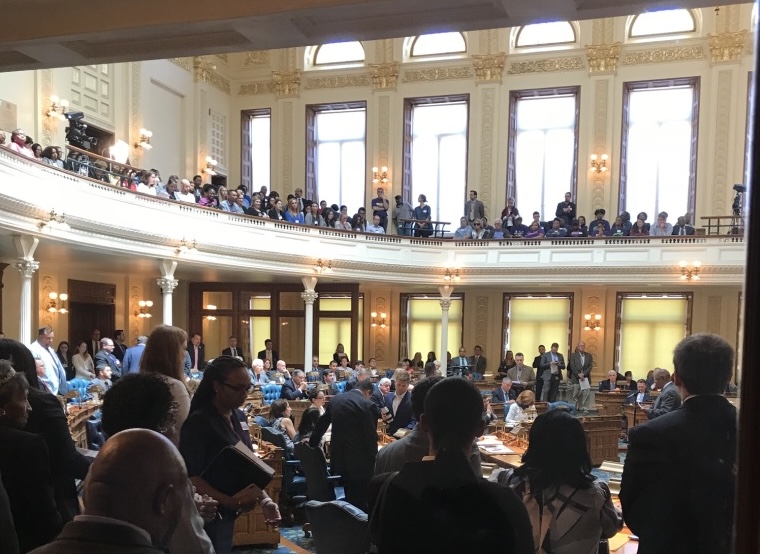
The most immediate answer to “Why Now?” is legal necessity. New Jersey’s Food Waste Recycling and Food Waste-to-Energy Production Law is now in full effect.
- Mandatory Recycling: As of September 2025, “Large Food Waste Generators” (entities producing 52+ tons of food waste annually) are legally required to source separate and recycle their waste.
- The 25-Mile Rule: If your business is within 25 road miles of an authorized recycling facility like Illucens Solutions, you can no longer legally send organic waste to a landfill.
- Significant Penalties: Non-compliance carries civil penalties starting at $250 for a first offense and escalating to $1,000 for subsequent violations, with each day of non-compliance counting as a separate offense.
2. Solving the “Dry Matter” Problem
Traditional waste-to-energy methods like Anaerobic Digestion (AD) have specific limitations that New Jersey’s waste profile exposes.
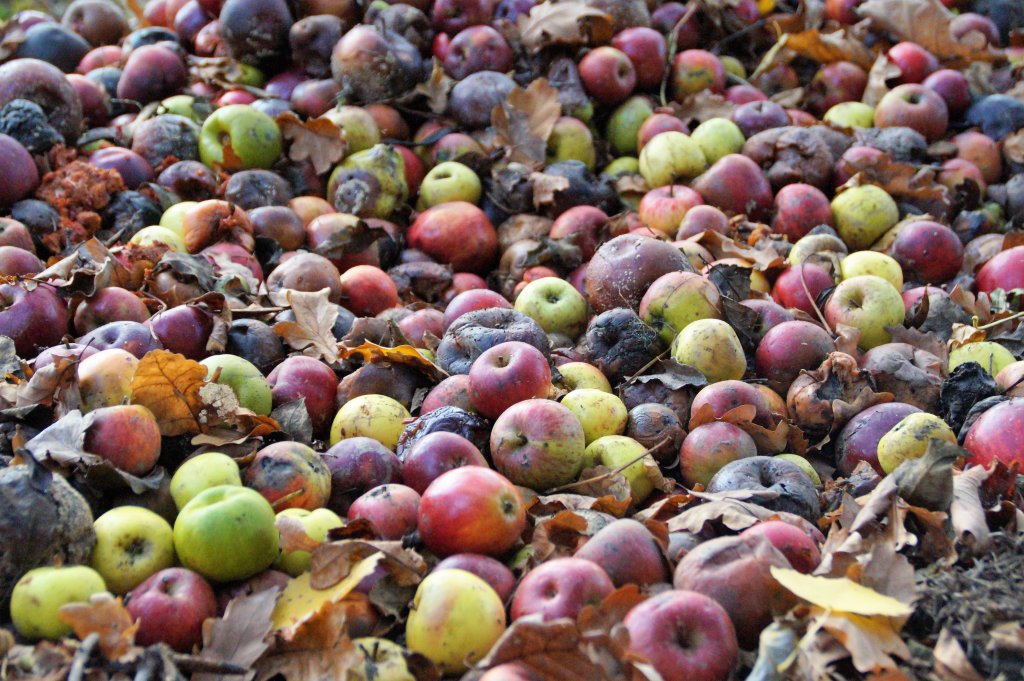
- Moisture Tolerance: Many large-scale waste streams in NJ consist of wet vegetable and food processing residues. While AD systems struggle with high-moisture content, accelerated insect-mediated composting thrives on substrates with up to 70% moisture.
- Beyond Energy: While AD focuses solely on gas production, our process recovers nutrients. We don’t just create fuel; we create high-value protein and biofertilizer (frass) that supports New Jersey’s agricultural heritage.
3. Superior Economic Resilience
In a fluctuating energy market, businesses need predictable waste solutions.
- Low Energy Overhead: Traditional thermochemical processes like Pyrolysis require extreme temperatures (300-700°C). Accelerated insect-mediated composting relies on the larvae’s natural metabolism, requiring minimal external energy.
- Market Diversification: Unlike incineration or anaerobic digestion (AD), which depend on volatile energy prices and government subsidies, accelerated insect-mediated composting generates revenue from high-demand markets like aquaculture feed and premium organic fertilizers.
- M/WBE Strategic Advantage: As a certified Minority and Women Business Enterprise, Illucens Solutions allows New Jersey corporations and municipalities to meet mandatory diversity spend goals while simultaneously achieving environmental compliance.
4. Environmental Justice and Urban Renewal
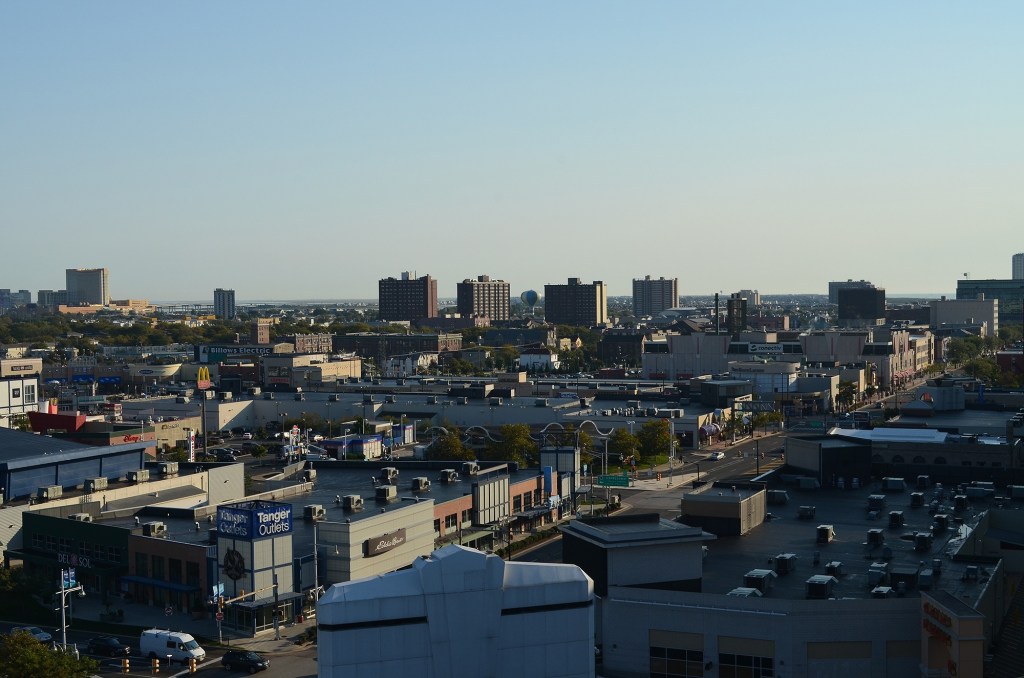
Our mission—Building Unique Growth Sustainably (BUGS)—is designed for the specific needs of New Jersey’s urban centers.
- Pathogen Mitigation: Black Soldier Fly Larvae (BSFL) possess natural antimicrobial peptides, ensuring that waste is not just processed, but hygienically upcycled into safe products.
- Green House Gas (GHG) Abatement: By diverting food waste from landfills, we prevent the release of methane, a greenhouse gas significantly more potent than carbon dioxide.
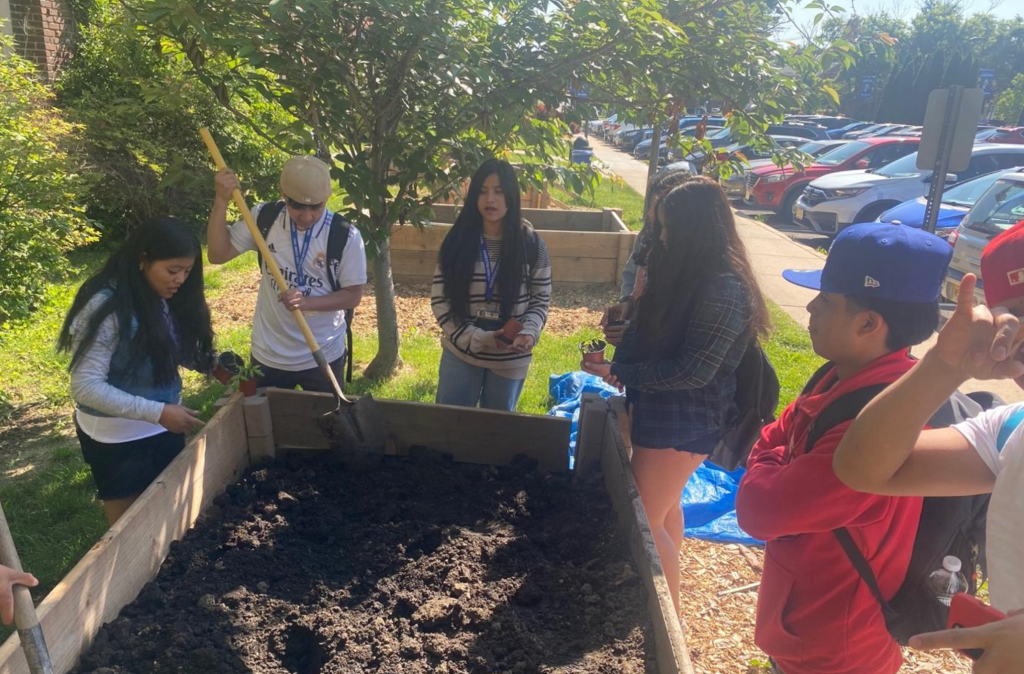
- Local Jobs: Our modular, low-complexity facilities provide entrepreneurship and technical training for young adults in economically disadvantaged areas, turning the “waste problem” into a “growth engine”.


 Illucens Solutions